PO Box 334
State College, PA 16804
In 1764, General James Potter took a break from the colonial army to adventure through the forests of Central Pennsylvania. Upon reaching the crest of Mt. Nittany, he looked over Penns Valley and declared he had discovered an empire.
These are the destinations that were important to the early years of Centre County and our nation.

Itinerary By Lucas Hydock from State College
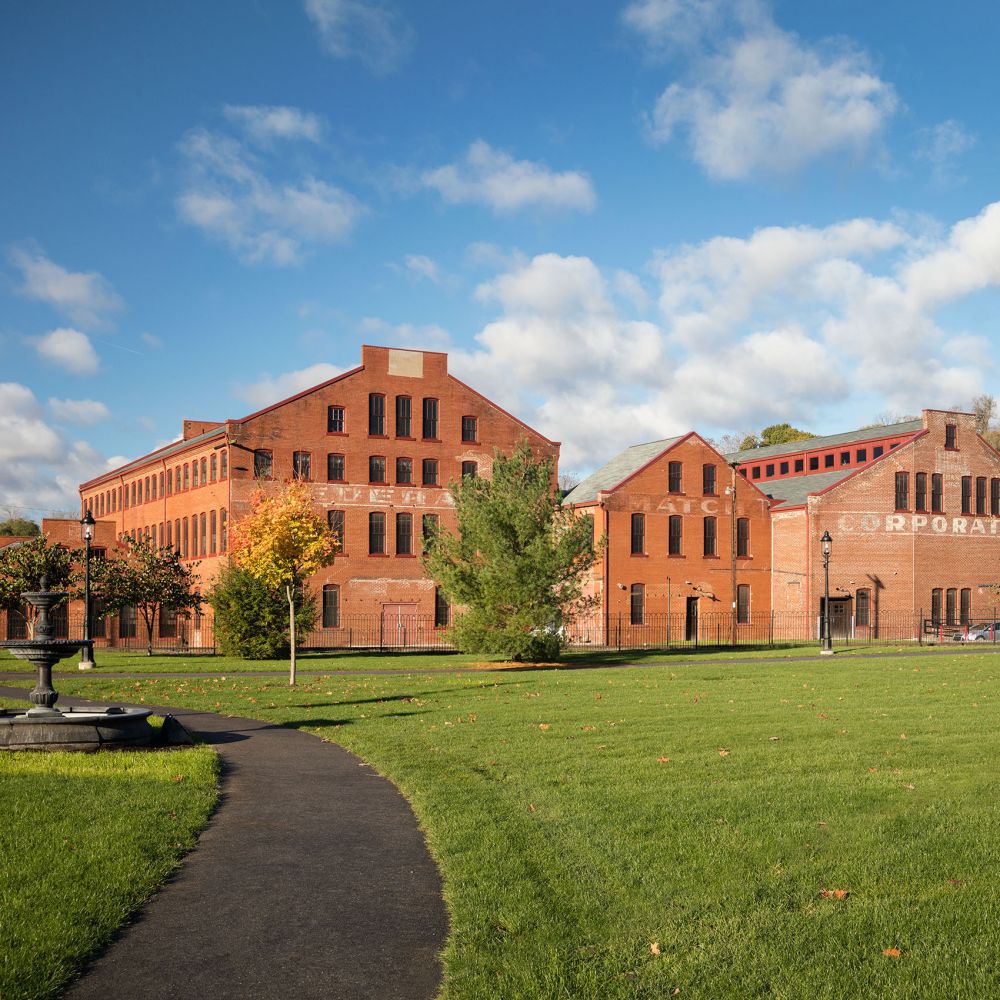
Built in 1900, the old Match Book factory was one of the largest producers in America, with output peaking during WWII. The factory closed in 1947. The property stood abandoned along the waterfront for several decades until 2002 when the American Philatelic Society purchased and renovated the complex.
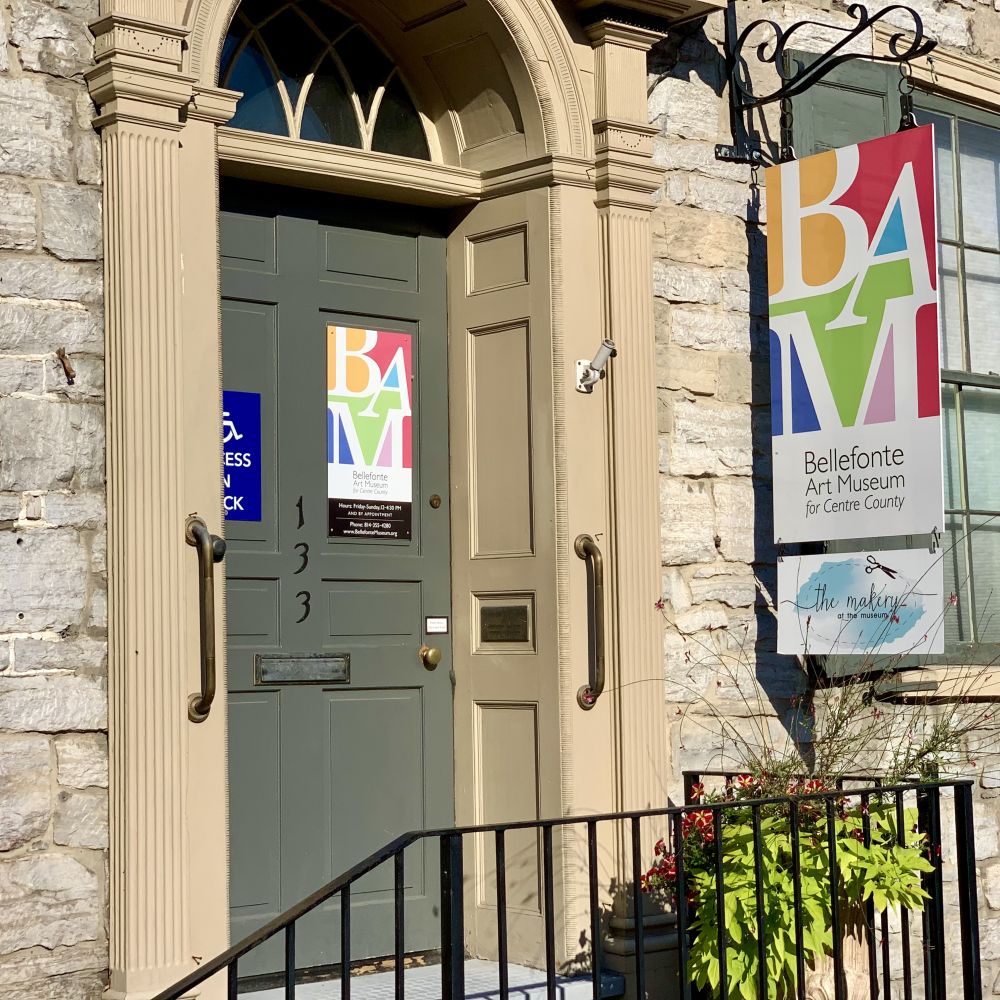
Constructed as the Linn House in 1810, this property housed several generations of different families across the 19th and 20th centuries, including three governors. Mary Benner Wilson in the 1840s and Jacob Valentine Thomas in the 1850s lived in this home, participating in the Underground Railroad. A hidden crawlspace exists in the third floor, meant to hide escaped slaves on their travels to Canada. By 1997, the building had fallen into disrepair and was sold to the borough. Established in 2008, the Bellefonte Art Museum serves to promote local voices while recognizing the historic nature of its property.
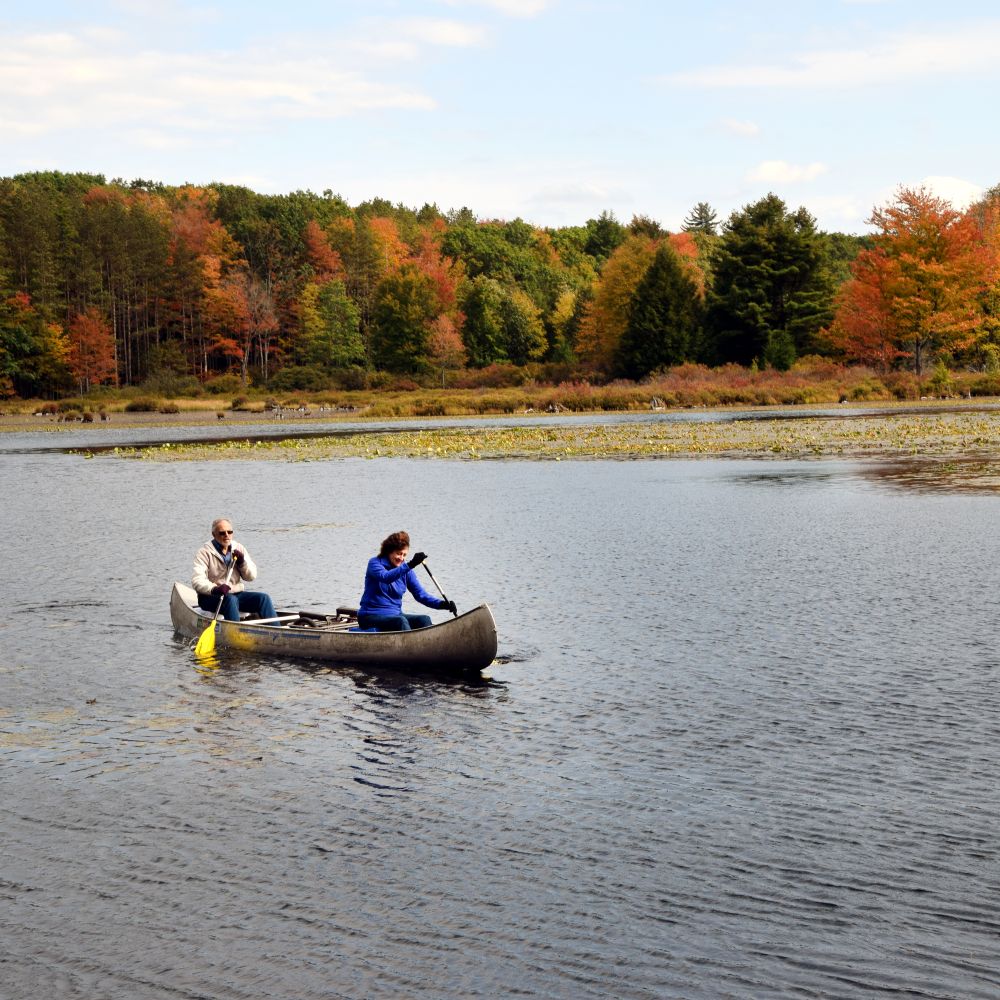
Occupied by Native Americans for thousands of years, the earliest modern settlement was founded by the Seneca tribe. After their migration westward from the French & Indian War, colonists began to harvest lumber in the rich forests of this land. The Beaver Mill Lumber company quickly became one of the producers of wood in Pennsylvania, creating a series of boomtowns and contributing to America's mining, construction, and railroad infrastructure. By the late 19th century, much of the land had been destroyed by industrialization and fires. By the 1930s, efforts to preserve this land had begun, and in 1954 it was officially named Black Moshannon State Park.
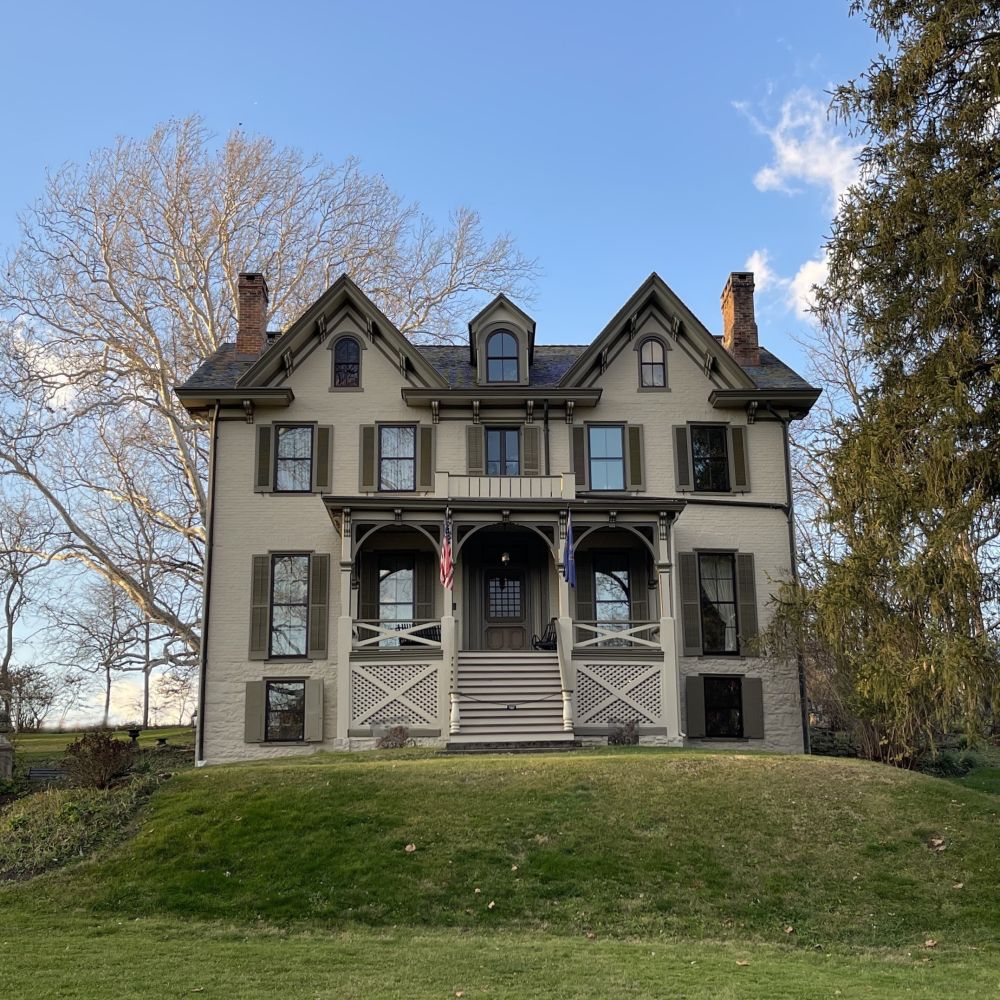
The Centre Furnace provided minerals that helped build Philadelphia and Pittsburgh during the early years of our country. In 1855, ironmasters James Irvin and Moses Thompson campaigned for the placement of a newly-chartered 'Farmers' High School of Pennsylvania.' Today, that college is Penn State. Since 1975, the Centre Furnace Mansion has been restored by the Centre County Historical Society to its 19th century design, when the Thompson family resided there.
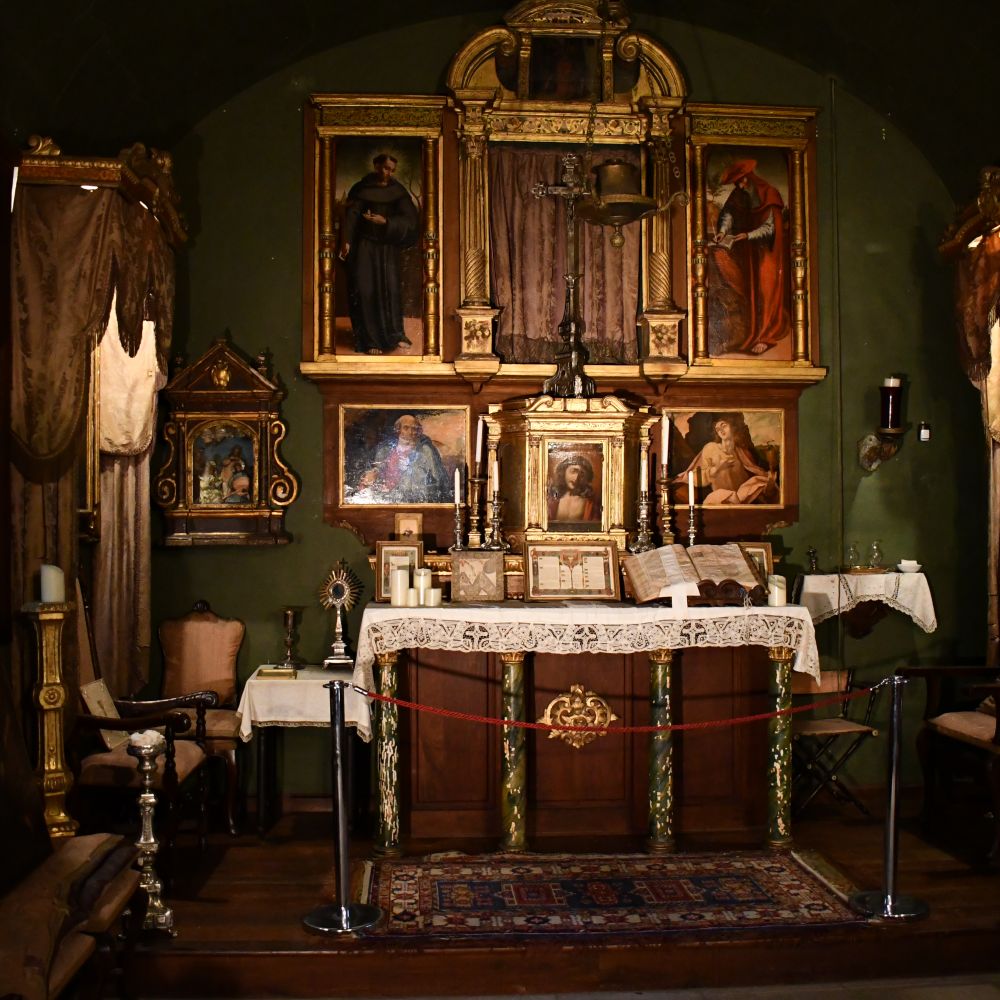
Built from 1809-1820, the Boal Mansion held eight generations of the Boal Family across the 19th and 20th centuries. In 1855, George Boal helped charter the 'Farmers' High School.' In 1909, Theodore Davis Boal married French-Spanish aristocrat Mathilde de Lagarde, who brought the Columbus family chapel overseas into their home. Today, visitors can explore this historic residence preserved to its original condition.
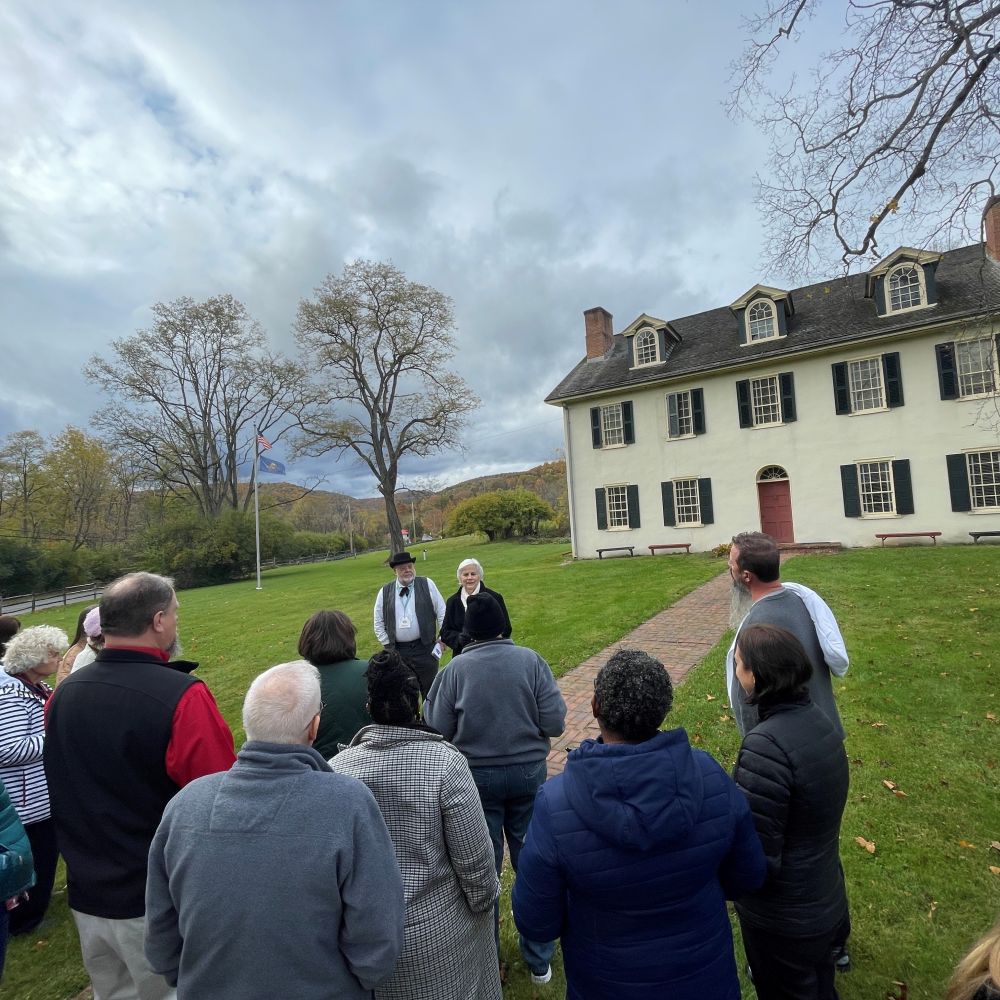
Founded by Roland Curtin Sr. around 1810, the Eagle Iron Works provided employment and manufacturing resources for over a century. Many workers would be provided free housing in Curtin Village, where some African Americans and women held employment before the Civil War. Roland's son Andrew Gregg Curtin would go on to help Abraham Lincoln as Pennsylvania's governor during the Civil War. After the furnace broke and a large fire destroyed much of the property, the Eagle Iron Works was shut down in 1922. Visitors today can explore the Iron Works, which was reconstructed to its original condition in the 1970s,
Constructed by General Daniel Roberdeau in 1778 to protect lead mining during the Revolutionary War, multiple efforts were made to reconstruct the camp from 1939-1941. It wasn't until America's bicentennial that Fort Roberdeau was restored to its original condition. In 2018, the Mount Lion Observatory opened on the property, bridging the gap between the pioneers of the colonial era, and the scientists of modern day America.
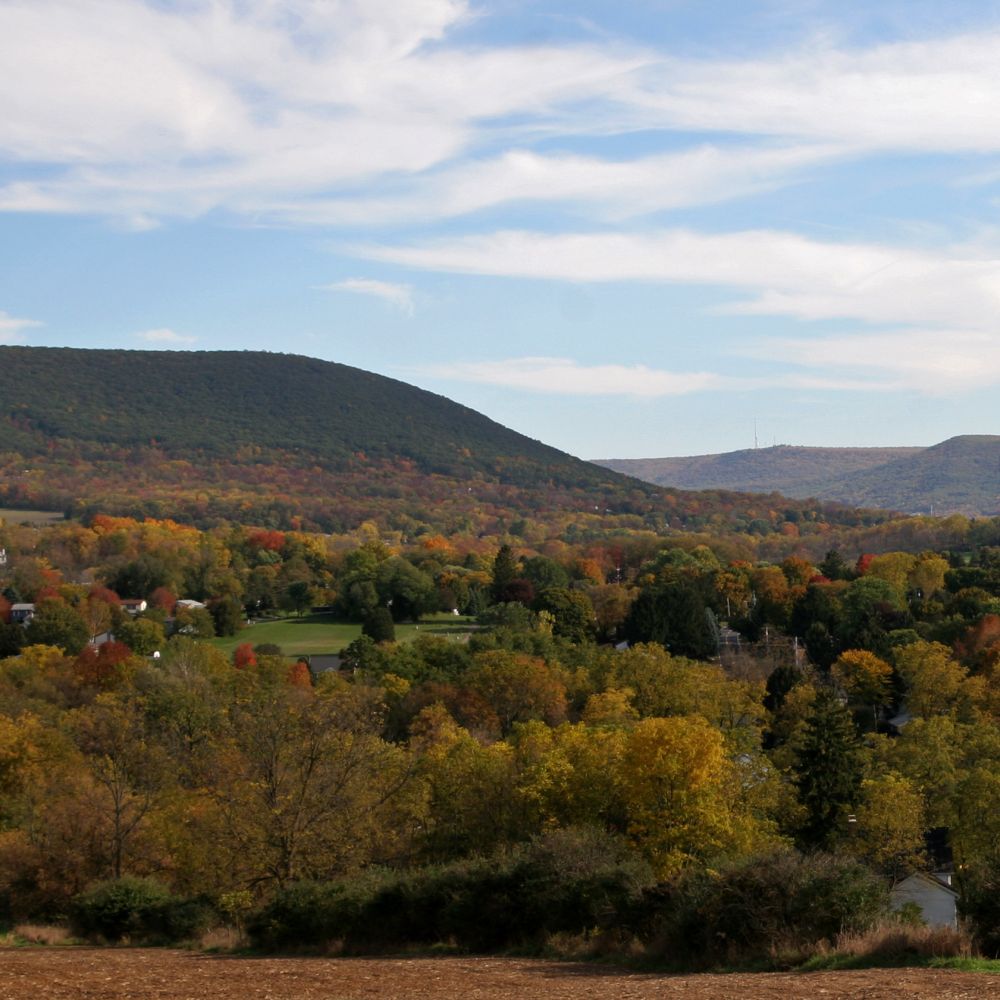
Through America's history, Mount Nittany has seen it all. Home to the first charcoal iron furnace in Centre County during the Revolutionary War, today the Mount Nittany Conservancy is a popular hiking destination for visitors of all ages!
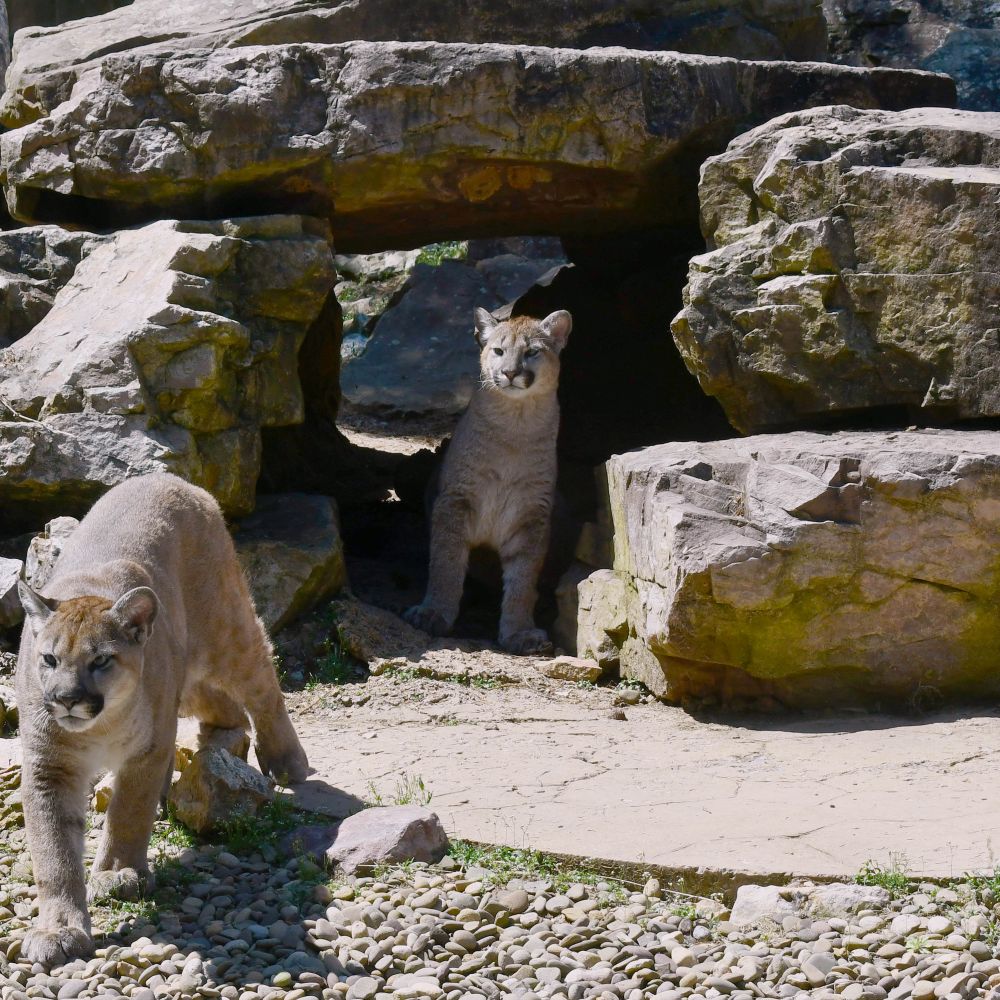
Located at the Ridge & Valley section of the Appalachian mountains, Penn's Cave was discovered by the Seneca tribe. America's only all-water cavern, the park was opened to the public in 1885 with the construction of a hotel. Today, the hotel is used for private residence only. According to local legend, a young frenchmen named Malachi Boyer traveled to the area in the early 1800s and fell in love with Nita-nee, the beautiful daughter of Chief O-Ko-Cho. The Chief discovered their love and had Malachi banished to Penn's Cave. To this day, it is rumored that while boating through the cave, one can still hear his echoes crying out for "Nita-nee, Nita-nee!"
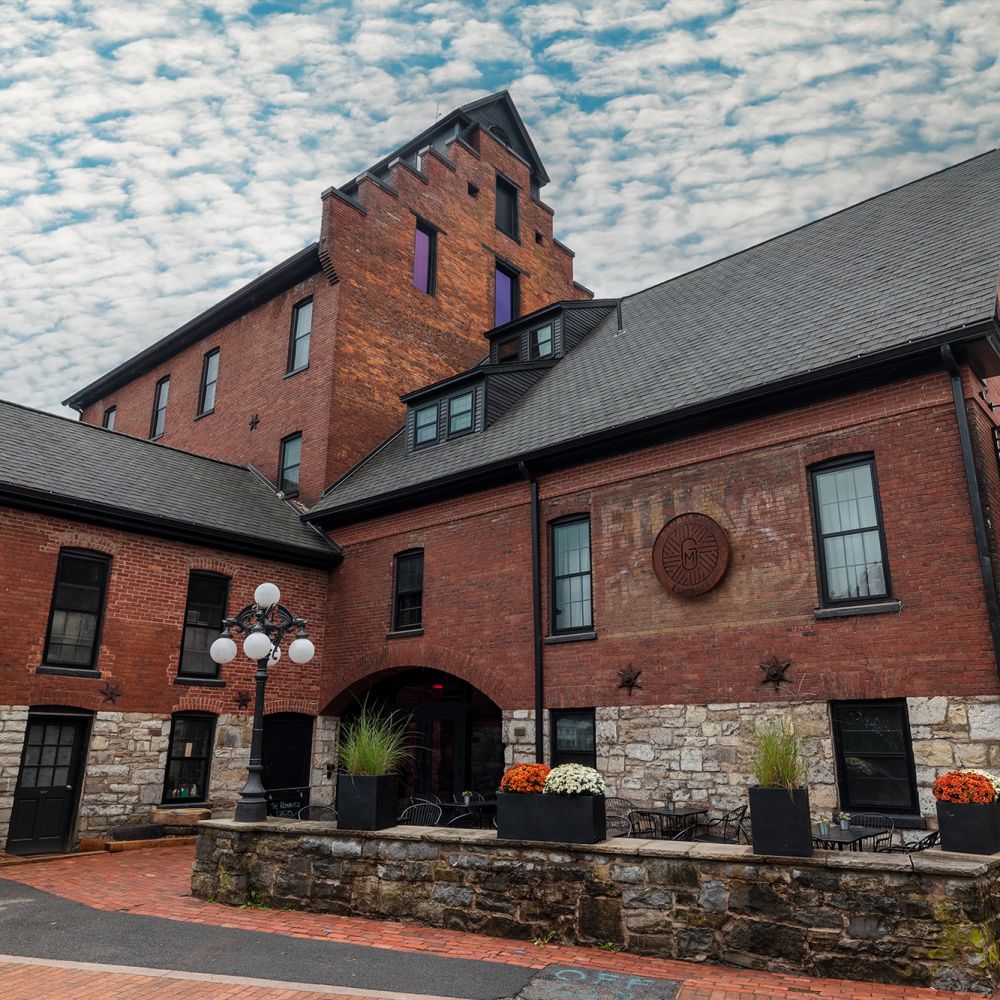
Built before the inception of Bellefonte in 1786 by William Lamb, the Gamble Mill has remained an important site in Bellefonte throughout America's history. During the mid-1800s, William A. Thomas owned the property and participated in the Underground Railroad by deeding ownership of land he owned to the first African Methodist Episcopal church in Bellefonte. A fire in 1892 burned down most of the property, but the south end of the original mill survived. A brand new mill was rebuilt in 1893. From 1901-1923, George M. Gamble ran the mill and it was subsequently named after him. Though the Gamble Mill ceased producing grain in 1947, Ted H. Conklin saved the property from demolition in 1975 and had it placed in the national register of historic places. In 2020, the Virgilio Brothers have revitalized the property by adding a boutique inn and suites to its upper floors. Today, the Gamble Mill connects visitors to the origins of Bellefonte in a modern way.
© 2026 The Happy Valley Adventure Bureau | Design & Development by 3twenty9 Design